





















How to recover from burnout using integrative medicine
If you’re searching for how to recover from burnout, chances are your body and mind have been carrying more than they can comfortably hold. Burnout doesn’t usually appear overnight. It settles in slowly — through tired mornings that don’t improve with sleep, through emotional distance, through a sense that even rest no longer feels restorative.
Burnout is not a sign that something is wrong with you. It’s a sign that something in your life has been out of balance for too long.
Recovering from burnout is less about doing more and more about learning how to support yourself differently. Integrative medicine offers a grounded, compassionate approach to recovery — one that respects the body’s rhythms, the nervous system’s limits, and the emotional weight that often comes with prolonged stress.

What is burnout and why it happens
What is burnout? Burnout is a state of physical, emotional and mental exhaustion caused by long-term stress without sufficient recovery. Unlike everyday stress, which rises and falls, burnout develops when pressure becomes constant and the body no longer returns to baseline.
According to the World Health Organization (ICD-11), burnout is associated with chronic workplace stress that has not been successfully managed. However, burnout is not limited to professional life. It can affect caregivers, parents, and anyone who has been consistently giving more energy than they are able to restore.
From a physiological perspective, burnout often reflects a nervous system that has been stuck in survival mode — alert, vigilant and unable to fully relax. Over time, this state affects sleep, digestion, immunity, mood and mental clarity.
Burnout is not weakness. It is a signal asking for change and support.
Burnout symptoms to look out for
Burnout symptoms can be subtle at first, which is why many people push through them longer than they should.
Common burnout symptoms include:
- Physical symptoms: ongoing fatigue, disrupted sleep, muscle tension, frequent colds or infections
- Emotional symptoms: emotional numbness, irritability, reduced motivation, loss of enjoyment
- Mental symptoms: brain fog, forgetfulness, difficulty focusing or making decisions
In some cases, burnout overlaps with anxiety or low mood, making it harder to understand what’s happening without guidance. UK-based resources such as NHS guidance on stress can help differentiate these experiences and clarify next steps.
Why integrative medicine can support recovery
Burnout rarely affects just one part of the body. It impacts multiple systems at once — from hormones and sleep cycles to emotional regulation and immune response. This is where integrative medicine becomes particularly relevant.
Rather than isolating symptoms, integrative medicine looks at how systems interact. It combines evidence-informed approaches with holistic practices that support recovery on several levels at the same time.
Research from sources such as Harvard Health highlights how practices like mindful movement, stress regulation and restorative rest can positively influence both mental and physical wellbeing. Integrative approaches don’t force recovery; they create the conditions in which recovery becomes possible.
How to recover from burnout, step by step
Start with safety: calming the nervous system
In burnout, the nervous system often remains locked in “fight or flight”. Gentle practices such as slow breathing, warmth, quiet environments and predictable routines help signal safety — a crucial first step in recovery.
Rest that actually restores
Not all rest is equal. True restorative rest reduces sensory input and allows the nervous system to settle. This might mean time away from screens, fewer demands, or simply moments of stillness without expectation.
Boundaries without guilt
Burnout recovery often requires redefining boundaries — especially around work, availability and self-expectation. These boundaries are not permanent restrictions, but temporary supports that protect energy while it rebuilds.
Movement that gives energy back
During burnout, intense exercise can feel overwhelming. Gentle movement — walking, stretching, mindful practices — supports circulation and releases tension without further depletion.
Food and daily rhythms when you feel depleted
When energy is low, the body benefits from regularity. Consistent meals, hydration and simple routines help stabilise blood sugar, support hormones and reduce additional stress.
Sleep support when your mind won’t switch off
Burnout often disrupts sleep. Evening rituals, reduced stimulation and consistent sleep times gradually help restore natural rhythms, even when progress feels slow.
Where thalassotherapy fits into burnout recovery
Water offers something many people in burnout struggle to access: a sense of safety and ease.
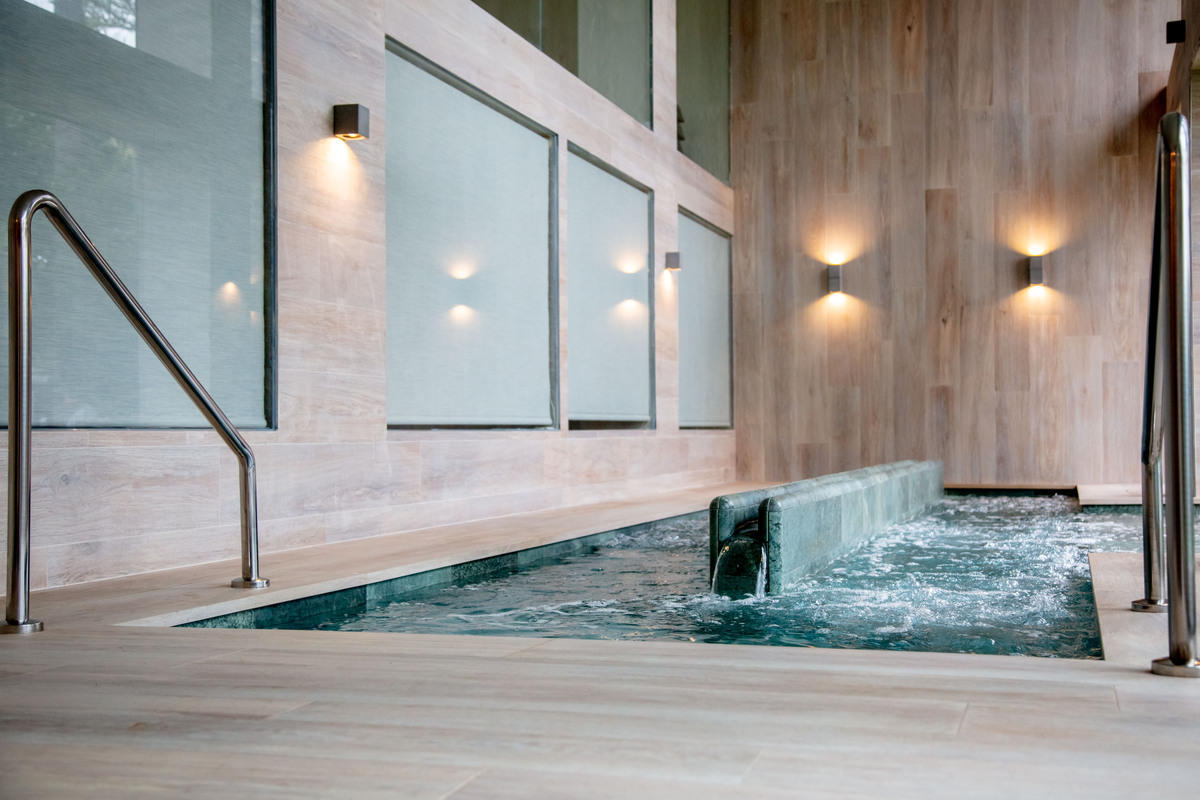
Thalassotherapy uses warm seawater, minerals and buoyancy to support relaxation, circulation and muscular release. The sensory experience of water — its weightlessness, warmth and rhythm — can help calm the nervous system in ways that feel instinctive rather than effortful.
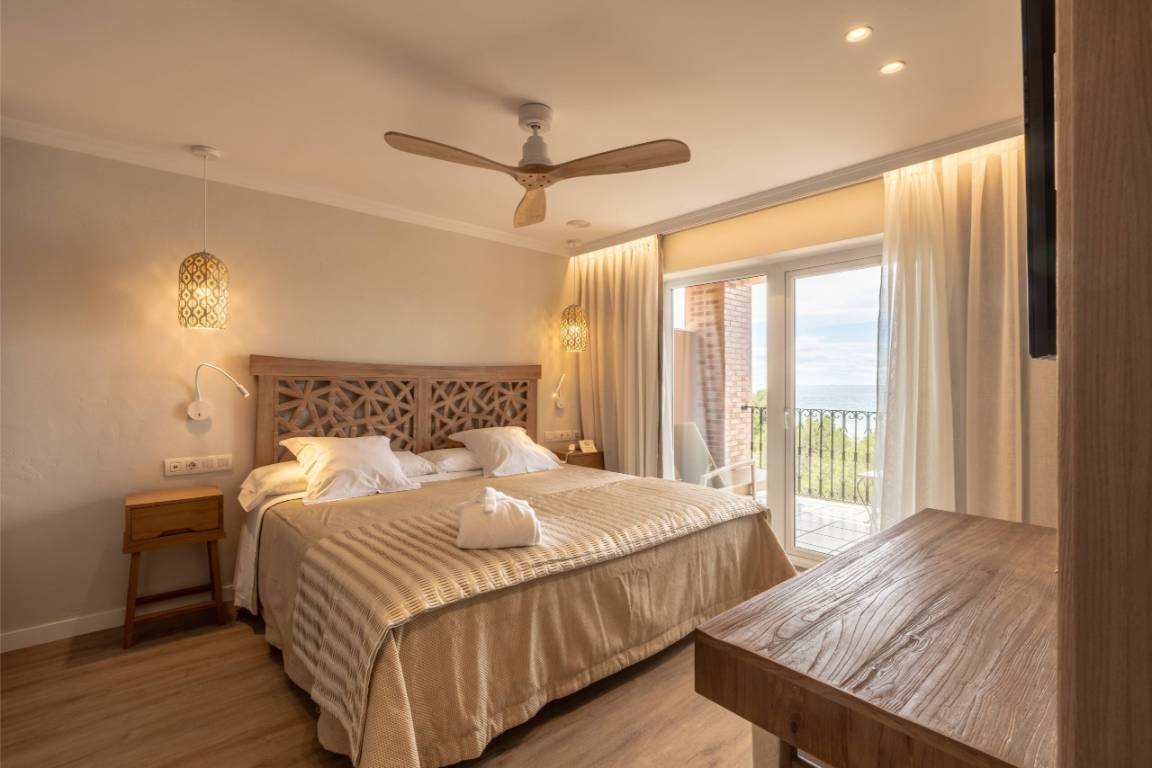
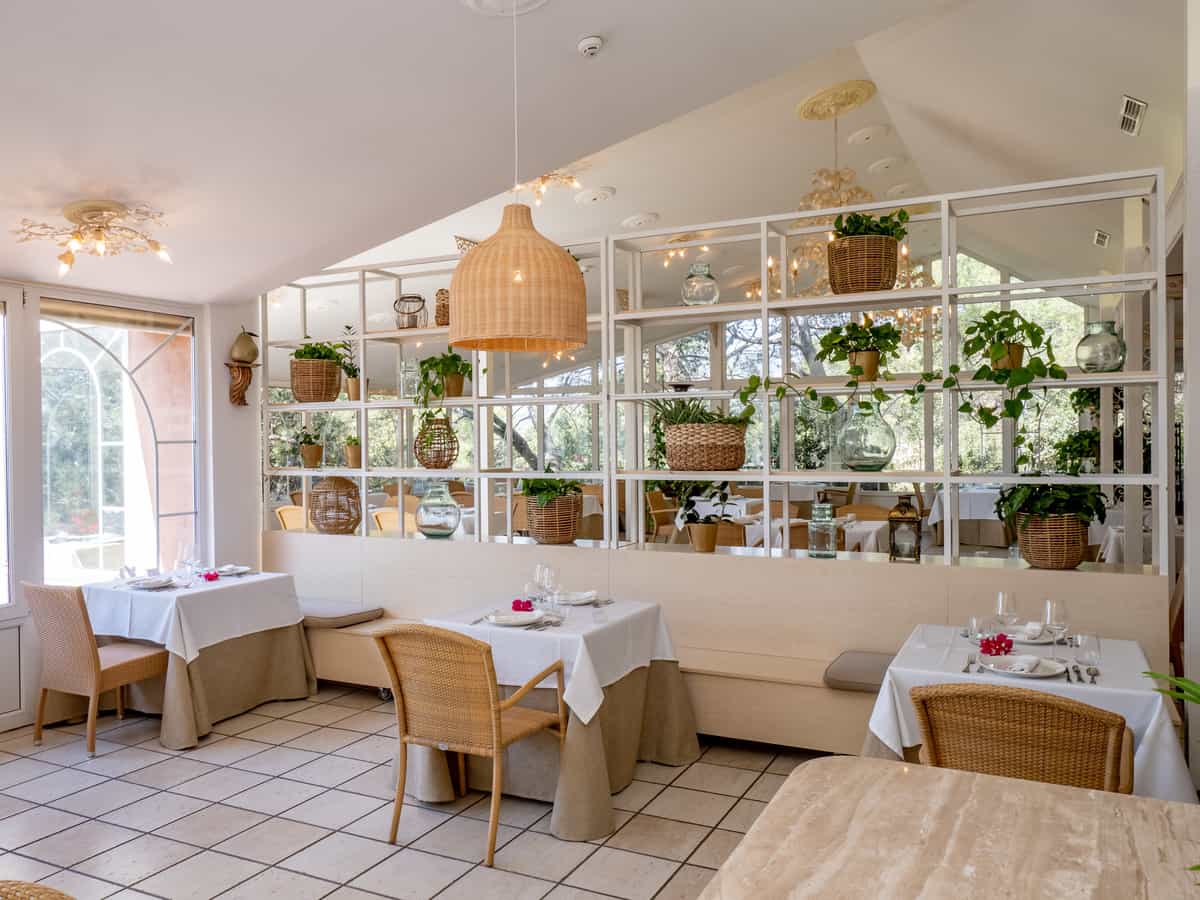
At Palasiet, thalassotherapy is integrated into a wider wellbeing philosophy focused on rest, rhythm and reconnection. Rather than intensifying effort, the aim is to create an environment where the body can gradually remember how balance feels.
Building a recovery plan you can maintain
Sustainable burnout recovery is rarely dramatic. It is built through small, consistent adjustments that feel manageable in daily life.
Listening to your body, respecting early signals of fatigue and allowing recovery to unfold at its own pace helps rebuild trust with yourself. Over time, energy returns — often accompanied by greater clarity about what truly supports your wellbeing.
When to seek additional support
Sometimes burnout runs deeper than self-guided recovery can reach. If symptoms persist, worsen or begin to interfere significantly with daily life, seeking professional support is an important step.
This may include speaking with a GP, accessing talking therapies, or working with qualified integrative practitioners. Seeking help is not a failure — it’s often a sign of awareness and self-respect.
A calmer way forward
Burnout can feel disorienting, but it often marks a turning point. For many people, it becomes an opportunity to slow down, reassess priorities and rebuild life in a more balanced way.
Recovery is not linear, and it doesn’t follow a fixed timeline. With the right support, space and care, it is possible to recover from burnout and reconnect with a deeper sense of energy, clarity and wellbeing.