

























What Is the Best Lipoedema Treatment?
For many women, lipoedema is something they’ve carried for years — often quietly, and often without a clear explanation. The heavy legs, the swelling that seems to defy logic, the bruising that appears almost overnight. And beyond the physical discomfort, the emotional side can weigh just as much: the feeling of not being understood, or of being told to “just exercise more” when deep down you know you’re doing everything you can.
If you’re here because you want clarity, reassurance or simply a more compassionate understanding of your body, you’re in the right place. At Palasiet, we have supported many guests living with chronic inflammatory and lymphatic conditions, and we’ve learned one essential truth: relief becomes possible when treatment respects both the body and the person living in it.
This guide brings together evidence-based approaches, gentle daily habits and the type of holistic support that truly helps in the long term.
Understanding lipoedema
Lipoedema is a chronic condition in which fat accumulates in a distinctive, often painful pattern. It mainly affects the legs, thighs and hips, and sometimes the arms. The key characteristic is that this fat does not behave like typical fat — it doesn’t respond to dieting or exercise, it tends to feel tender, and it’s prone to bruising.
Because lipoedema is still not widely recognised, many people spend years thinking the issue is something they’re doing wrong. In reality, it has strong hormonal and genetic components, and early recognition can make a real difference in how it progresses.
Recognising common symptoms
Although every person experiences lipoedema differently, many describe:
- Legs or arms that feel unusually heavy
- Pain or increased sensitivity to touch
- Frequent bruising
- Swelling that worsens throughout the day
- A symmetrical shape in the legs, often with a “column” appearance
- Feet and hands that appear unaffected
Symptoms often intensify around hormonal changes such as puberty, pregnancy or menopause. If you identify with several of these signs, learning more about your treatment options can be empowering.
What truly helps: building your ideal treatment plan
There is no single “best” treatment for lipoedema that suits everyone. Instead, the most effective approach combines medical understanding with supportive, healthy habits and therapies that encourage circulation, mobility and emotional balance.
Below are the pillars of care that tend to offer the most relief.
Lifestyle adjustments that support the body
Lifestyle changes cannot reverse lipoedema, but they often reduce discomfort and swelling. Small, realistic changes are usually the most powerful:
- Focusing on anti-inflammatory foods
- Staying hydrated throughout the day
- Gentle, low-impact movement
- Restorative sleep
- Mindful stress management
These habits help keep the body stable and create a foundation that supports any other therapy.
Why water-based therapy feels so soothing
Many guests with lipoedema find water-based treatments particularly comforting. Working with water — whether through hydrotherapy, aquatic exercise or simply floating — naturally reduces pressure on the joints while encouraging lymphatic flow.
In a thalassotherapy environment, where seawater, minerals and therapeutic techniques come together, people often experience:
- A noticeable reduction in heaviness
- Improved mobility
- A gentle awakening of the lymphatic system
- A deep sense of calm and wellbeing
This isn’t a cure, but it can be one of the most nurturing ways to manage symptoms.
Compression and manual therapies
Compression garments are widely recommended because they help stabilise swelling and support the tissues throughout the day. Once properly fitted, they can make movement more comfortable and reduce that end-of-day heaviness.
Manual therapies also play a role in easing symptoms:
- Manual lymphatic drainage (MLD) helps stimulate lymph flow in a very gentle way
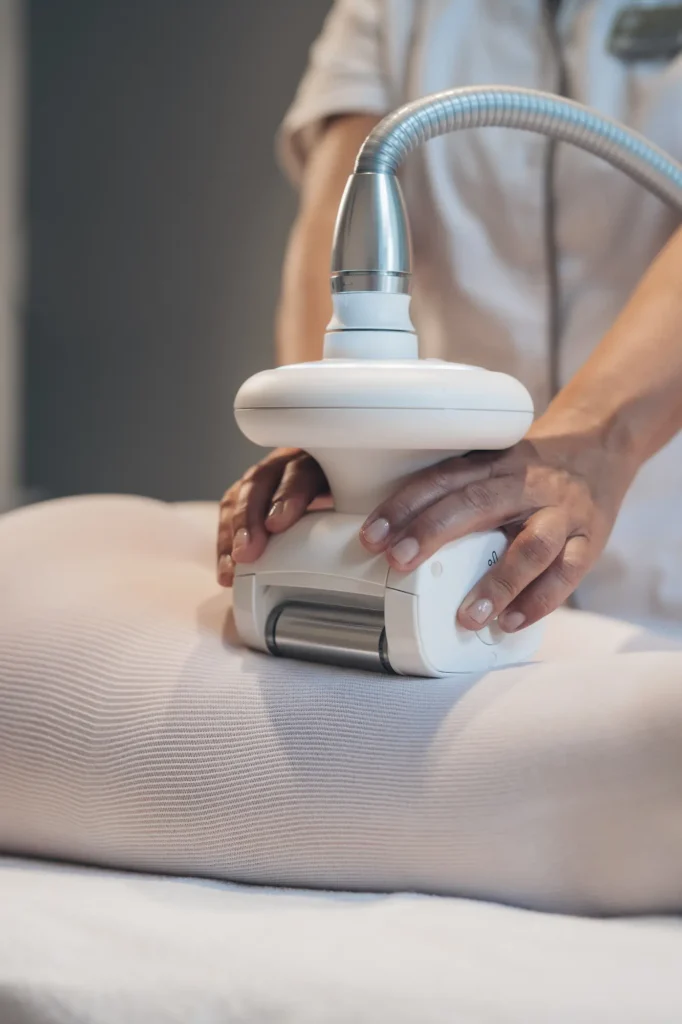
- Pneumatic compression (presso-therapy) applies rhythmic pressure to support circulation
- Soft-tissue techniques help ease tightness and reduce discomfort
Used consistently, these therapies can help people feel lighter and more at ease in their daily routine.
Considering surgical options
For some individuals, especially in later stages, specialist liposuction can remove lipoedema fat and improve mobility and comfort. It’s important to understand that this is not cosmetic surgery but a medical procedure designed specifically for this condition.
However, even when surgery is part of the journey, long-term wellbeing still depends on daily care, therapeutic support and maintaining healthy habits.
A holistic way of caring for yourself
Living with lipoedema affects more than the body. It influences comfort, confidence, energy and even mood. That’s why the most effective programmes consider the whole person, not just the physical symptoms.
A holistic approach might include:
- Personalised nutritional guidance
- A balance of land- and water-based exercise
- Regular lymphatic therapies
- Emotional support or mindfulness practices
- Time dedicated to rest and restoration
Many people find that a supportive environment — calm, structured and centred on wellbeing — helps them reconnect with their body in a more positive way.
Frequently asked questions
Is lipoedema curable?
Not at the moment, but symptoms can be managed, and progression can often be slowed.
Can diet or exercise remove lipoedema fat?
No — but both play a crucial role in easing discomfort, inflammation and mobility.
Do spa or thalassotherapy treatments help?
They can complement medical guidance by improving circulation, reducing heaviness and offering emotional relief.
How do I know if I have lipoedema and not another condition?
Lipoedema usually spares the feet and hands. A qualified clinician can offer a clear diagnosis based on your symptoms and clinical signs.
A final note for those seeking relief
Lipoedema can be confusing and, at times, deeply frustrating, especially if you’ve spent years trying to understand your symptoms. But once you know what’s happening in your body, the path forward becomes much clearer — and much gentler.
The combination of evidence-based treatment, supportive therapies and thoughtful lifestyle habits can make a noticeable difference to both your comfort and your confidence. Above all, remember that you deserve understanding, wellbeing and a care plan that respects your body’s unique needs.