
























Lymphoedema: Why swelling happens and what actually helps
Swelling does not always arrive dramatically.
Sometimes it starts with a shoe that feels tighter at the end of the day. A watch leaves a deeper mark than usual. One arm feels heavier. The skin around an ankle looks a little fuller, or movement simply does not feel as easy as it once did.
These changes can be easy to dismiss, particularly when there is no pain. But persistent swelling can sometimes be a sign of lymphoedema, a long-term condition linked to the way the lymphatic system moves fluid through the body.
For many people, the first questions are practical ones. Why is this happening? Will it get worse? Can anything be done? Does lymphatic drainage help? Is exercise safe?
Although lymphoedema is usually a long-term condition, there are effective ways to control swelling, protect the skin and stay active. The right approach is rarely about one treatment. It is about understanding how your body is responding and finding a combination of measures that works for you.
What is lymphoedema?
Lymphoedema is swelling caused by a build-up of lymph fluid in the tissues. It usually develops when part of the lymphatic system is not working as effectively as it should.
The swelling most often affects an arm or leg, although lymphoedema can develop in other areas of the body too. The NHS guidance on lymphoedema explains that the condition develops when the lymphatic system is unable to drain excess fluid from the tissues normally.
The lymphatic system is part of the body’s circulation and immune system. Among other things, it helps collect excess fluid from the tissues and return it to the bloodstream. When that drainage process is disrupted, fluid can accumulate.
At first, the swelling may come and go. Over time, it can become more persistent and the surrounding tissues may change.
How the lymphatic system normally moves fluid
The lymphatic system works quietly in the background.
Tiny lymph vessels collect excess fluid from the spaces around the body’s cells. That fluid then travels through a network of larger vessels and lymph nodes before eventually returning to the bloodstream.
Unlike the heart, the lymphatic system does not have a central pump. Movement plays an important part in keeping lymph flowing. Breathing, muscle contractions and everyday physical activity all contribute.
This is one reason movement is such an important part of lymphoedema management.
Primary and secondary lymphoedema
There are two main forms.
Primary lymphoedema develops because of the way the lymphatic system itself has formed. It may become apparent in childhood, adolescence or later in adult life.
Secondary lymphoedema develops when a previously functioning lymphatic system is damaged or its ability to drain fluid is reduced.
This can happen after:
- cancer surgery involving lymph nodes
- radiotherapy
- infection
- trauma
- certain vascular problems
- reduced mobility
- other conditions that affect normal lymph drainage
Cancer-related lymphoedema is perhaps the form most people have heard of, particularly after breast cancer treatment, but cancer is not the only possible cause.
What does lymphoedema feel like?
Lymphoedema does not feel exactly the same for everyone.
For some people, the first noticeable change is visible swelling. For others, the affected area simply feels heavier or tighter.
Common symptoms can include:
- swelling in an arm, leg, hand, foot or another part of the body
- a feeling of heaviness or fullness
- tight or uncomfortable skin
- aching or discomfort
- reduced flexibility or movement
- clothes, shoes, jewellery or watches feeling tighter
- skin that feels thicker or firmer over time
The amount of swelling may also change during the day.
An ankle, for example, may look relatively normal in the morning but become more swollen by evening. Someone with arm lymphoedema may notice that sleeves feel tighter after several hours of activity.
These small changes matter.
Early signs can be surprisingly subtle
Lymphoedema is not always obvious at the beginning.
You might notice that one side of the body looks slightly different from the other. There may be a sense of pressure or heaviness before there is much visible swelling.
People who have undergone cancer surgery or radiotherapy are often advised to be particularly aware of changes in the area that has been treated.
Early assessment can be helpful because swelling is generally easier to manage before significant tissue changes develop.
Not every swollen leg or arm is lymphoedema
Swelling has many possible causes.
A swollen ankle after a long journey is very different from persistent lymphoedema. Heart, kidney and vascular conditions can also cause swelling, as can blood clots, infection and some medications.
Lymphoedema can also be confused with lipoedema. They are different conditions and require different approaches. If this is something you are trying to understand, our guide to lipoedema treatment and its different management options explains some of the main distinctions.
Unexplained swelling should not be self-diagnosed. A doctor or appropriately trained healthcare professional can assess the pattern of swelling, your medical history and any other symptoms before deciding what is likely to be causing it.
When swelling needs medical attention
Most lymphoedema develops gradually, but some types of swelling need prompt medical assessment.
Seek medical advice if you develop new or unexplained swelling, particularly if it is only on one side.
You should also seek urgent medical help if swelling is accompanied by symptoms such as:
- sudden pain or tenderness
- redness or significant warmth
- rapidly increasing swelling
- fever or feeling generally unwell
- chest pain or breathlessness
People living with lymphoedema also have an increased risk of cellulitis, a bacterial skin infection.
A red, hot, painful or rapidly swollen area, particularly when accompanied by fever or flu-like symptoms, should be assessed promptly.
Lymphoedema treatment: what actually helps?
There is no single treatment that suits everyone with lymphoedema.
Management usually combines several approaches designed to reduce or control swelling, keep the tissues healthy and make movement easier.
The NHS guidance on lymphoedema treatment identifies compression, exercise, skin care and specialised massage techniques as the main components of decongestive lymphatic therapy.
In more complex cases, treatment may involve a lymphoedema specialist, physiotherapist, nurse or medical team.
The aim is usually not to make the condition disappear overnight. It is to keep swelling under control and prevent it from interfering unnecessarily with everyday life.
Compression garments and bandaging
Compression is one of the main tools used in lymphoedema treatment.
Special garments or bandages apply controlled external pressure to the affected area. This can help reduce the accumulation of fluid and support lymphatic return.
Compression sleeves, stockings and other garments need to fit correctly. The type and degree of compression required will depend on the individual.
This is not an area where more pressure is automatically better.
Poorly fitted compression can be uncomfortable and, in some circumstances, inappropriate. Specialist assessment is therefore important.
Movement and exercise
People sometimes assume that a swollen arm or leg should be rested as much as possible.
In many cases, the opposite is more helpful.
Gentle movement encourages muscles to contract and relax. This helps support the natural movement of lymph through the body.
Walking, cycling, carefully prescribed strength work and swimming may all have a place in an individual treatment plan.
Exercise does not need to be intense.
In fact, gradual and regular movement is often more useful than suddenly doing a large amount of activity.
The aim is not to push the body harder. It is to help it move comfortably and consistently.
If lymphoedema has developed after surgery or cancer treatment, or if swelling is significant, exercise should be adapted to your circumstances.
What about body weight?
Weight is not the cause of every case of lymphoedema, and this distinction matters.
However, obesity can increase the risk of secondary lymphoedema and can make existing swelling more difficult to manage. For people in this particular situation, gradual weight management may become one part of a broader treatment plan.
At Palasiet, our medically guided Weight Loss Programme combines medical assessment, nutrition, personalised physical activity and behavioural support. It is not a treatment for lymphoedema itself, but it may be relevant when weight management has been recommended as part of someone’s wider health plan.
Skin care matters more than it may seem
When lymph drainage is impaired, the skin can become more vulnerable to infection.
Small cuts, cracks or areas of irritation can allow bacteria to enter the skin and may increase the risk of cellulitis.
Keeping the skin clean, well moisturised and intact is therefore part of lymphoedema care, not simply a cosmetic concern.
It is also worth paying attention to fungal infections, insect bites, cuts and other minor skin problems rather than ignoring them.
Lymphatic drainage: can massage really help?
Lymphatic drainage has become widely discussed in both medical and wellness settings, which can make the terminology confusing.
There is an important difference between a general massage described as “lymphatic” and the specialist techniques used as part of lymphoedema care.
What is manual lymphatic drainage?
Manual lymphatic drainage, usually shortened to MLD, is a specialised form of gentle massage.
It uses light, carefully directed movements intended to encourage lymph fluid towards areas where drainage is functioning more effectively.
It is not the same as deep tissue massage.
Pressure is usually gentle because lymph vessels lie close to the surface of the body. Stronger pressure does not necessarily improve lymphatic drainage and may be inappropriate in some situations.
Macmillan Cancer Support describes manual lymphatic drainage for lymphoedema as a specialised, gentle form of massage that should be carried out by a trained lymphatic drainage therapist when MLD is indicated.
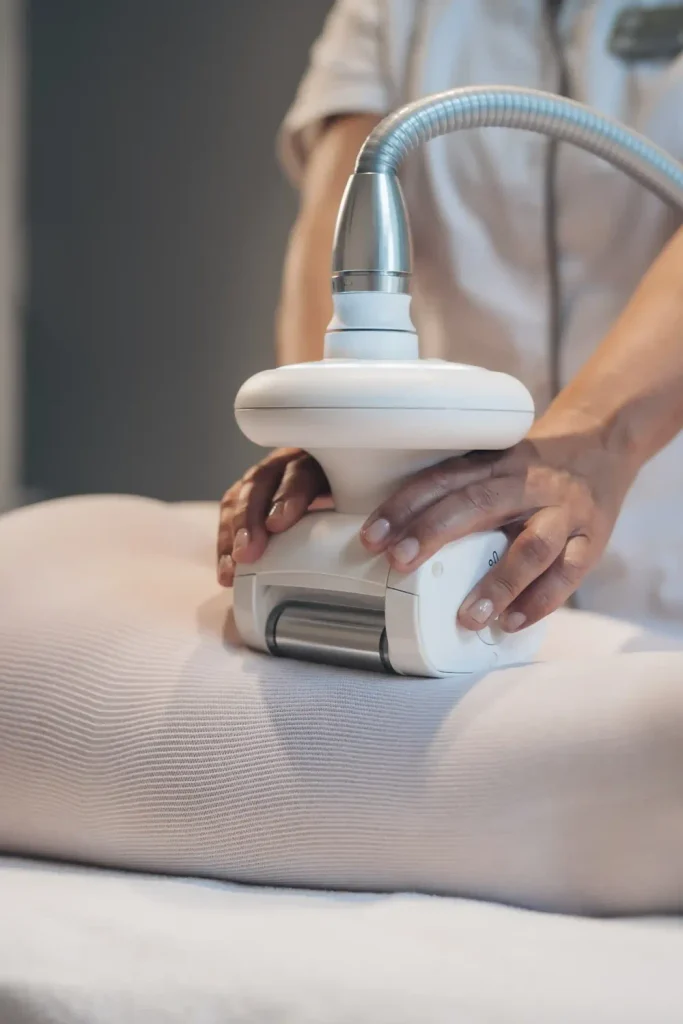
At Palasiet, lymphatic drainage is carried out as a physiotherapy technique and requires medical consultation or informed consent beforehand. This is an important distinction from a routine relaxation massage.
Does lymphatic drainage work for lymphoedema?
The answer is more nuanced than many wellness claims suggest.
Manual lymphatic drainage is used within lymphoedema care and may be useful for some people, particularly as one element of a broader treatment programme rather than as a stand-alone treatment.
At the same time, the evidence does not support presenting MLD as something that every person with lymphoedema needs.
The British Lymphology Society guidance on manual lymphatic drainage highlights the importance of assessing its clinical value individually and using it within an appropriate treatment plan.
That is important because the phrase “lymphatic drainage” is now used for many different treatments, some of which have little in common with clinical lymphoedema management.
If you have diagnosed lymphoedema, persistent unexplained swelling, a history of cancer treatment or another significant medical condition, it is sensible to discuss lymphatic drainage with an appropriately trained professional before booking a treatment.
Manual lymphatic drainage and simple lymphatic drainage
Some people with lymphoedema are taught a form of self-massage known as simple lymphatic drainage, or SLD.
The movements are based on similar principles to manual lymphatic drainage but are adapted so that they can be carried out at home.
A specialist may teach the technique as part of an ongoing management plan.
The important point is that these movements are usually tailored to the person’s pattern of swelling. Copying a generic massage routine found online is not necessarily the same thing.
Why lymphatic drainage should be personalised
Persistent swelling can have very different causes.
Someone recovering from breast cancer surgery may have completely different needs from someone with primary lymphoedema or chronic lower-leg swelling.
That is why good treatment begins with assessment.
Before recommending lymphatic drainage, a professional should understand your diagnosis, medical history, medications, circulation and current symptoms.
There are also situations in which massage may need to be modified or avoided.
Personalisation is not an extra. It is part of safe care.
Can swimming and water-based exercise help lymphoedema?
Water can be a particularly comfortable environment for movement.
The buoyancy reduces the amount of body weight carried through the joints, while the pressure of the surrounding water creates a different environment for movement from exercising on land.
For someone who feels heavy or stiff, that can make movement feel easier.
Why moving in water feels different
When the body is immersed, water applies pressure across the skin.
At the same time, moving the legs and arms activates the muscles involved in circulation and lymphatic movement.
There can be another benefit that is harder to measure but equally relevant in practice. People who have become cautious about movement because of pain, heaviness or changes in their body may find they feel more comfortable and confident in water.
That confidence matters. Movement is far easier to sustain when it feels manageable rather than punishing.
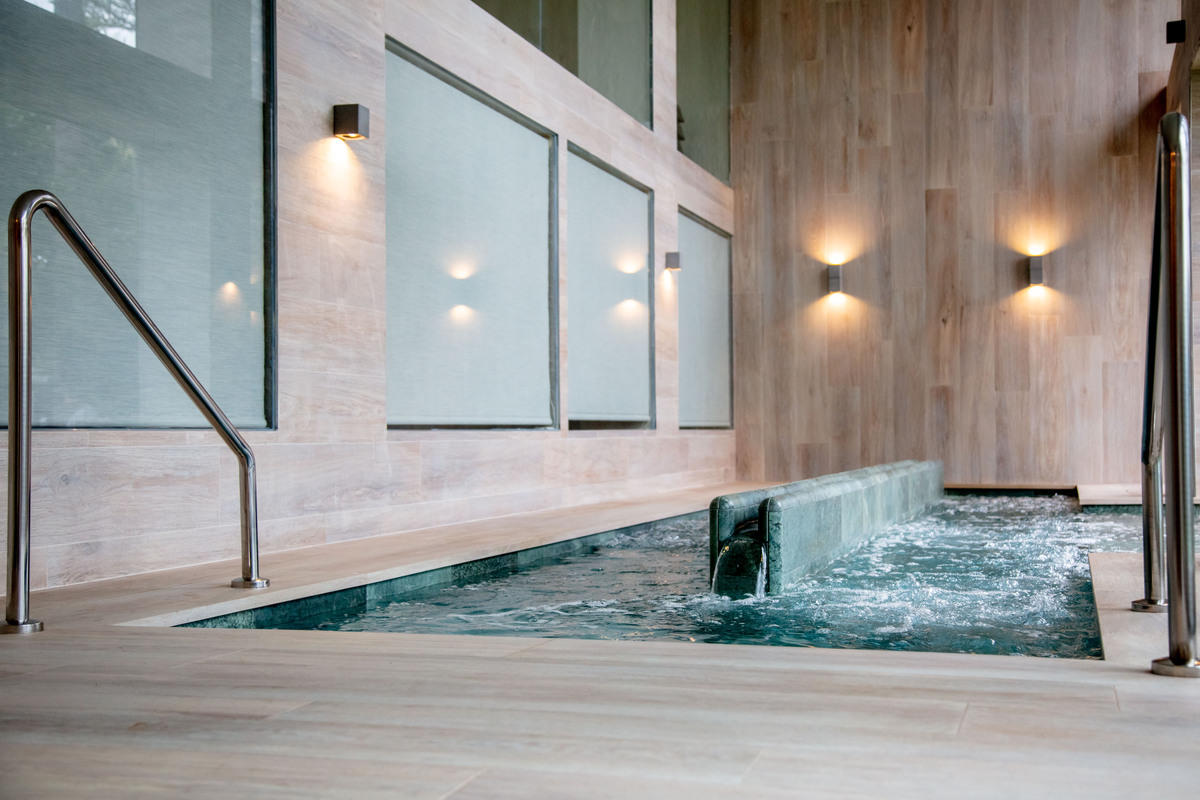
At Palasiet, our approach to therapeutic thalassotherapy and medically supervised wellness brings together seawater-based treatments, physical activity, physiotherapy and medical assessment within a broader health programme.
Does water-based exercise reduce lymphoedema?
It is important not to overstate what water can do.
Swimming and other forms of aquatic exercise may support mobility, physical function and general wellbeing. They can also provide an accessible form of movement for people who find land-based exercise uncomfortable.
This does not mean that spending time in water will remove established lymphoedema.
Aquatic activity should be understood as one possible part of an overall approach, not as an alternative to compression, specialist assessment or medical treatment when these are required.
Where thalassotherapy can fit
At Palasiet, thalassotherapy has never meant treating the body as a collection of isolated symptoms.
It forms part of a broader approach in which medical assessment, physical activity, physiotherapy, nutrition, rest and emotional wellbeing can all have a role.
For someone living with lymphoedema, that broader perspective can be valuable.
Swelling may be the visible problem, but its effects can extend further. It can change the way a person moves, the clothes they feel comfortable wearing, their confidence in exercise and sometimes their relationship with their body after illness or treatment.
A marine environment may offer a comfortable setting for supervised movement and physical recovery, but any programme should be adapted to the individual.
If lymphoedema is already diagnosed, the useful question is not which spa treatment will make it disappear.
It is what combination of movement, clinical care and daily habits can help that person feel and function better.
Living well with lymphoedema
A diagnosis of lymphoedema can initially feel restrictive.
People may worry about making the swelling worse, exercising too much, travelling, swimming or simply carrying on with normal routines.
In reality, good management is often about learning how your own body responds.
Learn the pattern of your swelling
Lymphoedema often has a rhythm.
It may be worse at certain times of day. Heat, long periods of sitting, changes in activity or illness may affect it.
Noticing these patterns can help you and your healthcare team understand what is working.
This does not mean monitoring your body obsessively.
It means becoming familiar enough with your normal symptoms to recognise when something has changed.
Keep moving without becoming afraid of movement
Fear can quietly reduce activity.
If an arm feels swollen after cancer treatment or a leg becomes heavy by the end of the day, avoiding exercise may seem like the safest option.
But inactivity can create its own problems, including reduced muscle strength, stiffness and poorer general fitness.
The most useful approach is usually gradual.
Start with movement that feels manageable. Increase it progressively. If you are unsure what is safe, ask a healthcare professional who understands your condition.
For people who need more individual support, Palasiet’s physiotherapy and rehabilitation service includes personalised assessment and assisted exercise both on land and in seawater.
Look after the skin
Skin care is one of the least glamorous parts of lymphoedema treatment, but it is one of the most practical.
Moisturise regularly if your skin is dry. Treat small cuts promptly. Avoid ignoring redness, broken skin or signs of infection.
If you wear compression garments, check that the skin underneath remains comfortable and healthy.
Give yourself time to adjust
There is also an emotional side to lymphoedema that is easy to underestimate.
Persistent swelling can change the shape of a limb. It can affect clothing choices. It may be a reminder of cancer treatment or surgery that someone thought they had already put behind them.
Some people become self-conscious. Others become frustrated by the daily routine of compression or self-care.
These reactions are not trivial.
Managing a long-term physical condition involves more than controlling centimetres of swelling. Feeling comfortable in your body and confident enough to keep moving matters too.
When should you see a lymphoedema specialist?
You should consider specialist assessment if swelling is persistent, unexplained or becoming more noticeable.
It is particularly important if you have previously had lymph nodes removed or treated with radiotherapy.
A lymphoedema specialist can assess the swelling and advise on measures such as:
- compression
- exercise
- skin care
- manual lymphatic drainage
- self-management techniques
- longer-term monitoring
If swelling appears suddenly, becomes painful or is accompanied by redness, heat, fever, breathlessness or feeling unwell, seek medical advice promptly rather than waiting for a routine lymphoedema appointment.
Frequently asked questions about lymphoedema
Can lymphoedema be cured?
At present, lymphoedema is generally considered a long-term condition rather than something that can simply be cured with one treatment.
That does not mean nothing can be done.
For many people, swelling can be controlled effectively with the right combination of compression, movement, skin care and specialist treatment.
Early assessment can also make management easier.
What is the best treatment for lymphoedema?
There is no single best treatment for everyone.
Most lymphoedema care combines several approaches, such as compression therapy, regular movement, skin care and, in some cases, manual lymphatic drainage.
The right combination depends on the cause, severity and location of the swelling as well as your general health.
Does lymphatic drainage really help?
Manual lymphatic drainage can form part of lymphoedema treatment and may help some people, particularly when combined with other measures.
It should not be confused with general massage or treatments that claim to “detox” the body.
If you have established lymphoedema or another medical condition, lymphatic drainage is best discussed with a suitably trained healthcare professional.
Can lymphoedema go away on its own?
Temporary swelling can settle on its own, but established lymphoedema usually requires ongoing management.
If swelling persists, returns repeatedly or has no obvious explanation, it should be assessed rather than simply waiting for it to disappear.
Is walking good for lymphoedema?
Walking is often a useful form of exercise because muscle contractions can support lymphatic and venous circulation.
The right amount will depend on your mobility, symptoms and overall health.
If walking significantly increases discomfort or swelling, seek professional advice about how your activity programme could be adapted.
Is swimming good for lymphoedema?
Swimming and other forms of aquatic exercise may be suitable for some people with lymphoedema.
The combination of movement, buoyancy and the pressure of the water can make exercise comfortable.
Swimming should still be viewed as part of an overall management plan rather than as a treatment that removes lymphoedema by itself.
Can lymphoedema appear years after cancer treatment?
Yes.
Secondary lymphoedema can sometimes develop months or even years after surgery or radiotherapy involving the lymphatic system.
New swelling after cancer treatment should therefore be assessed even if treatment took place a long time ago.
A more comfortable way forward
Lymphoedema changes how fluid moves through the body, but it does not have to define how someone lives in it.
Understanding the condition is the first step.
From there, good management tends to be practical rather than dramatic. The right compression. Regular movement. Healthy skin. Specialist support where it is needed. Lymphatic drainage when it is appropriate and genuinely useful.
And, just as importantly, enough confidence to keep using the body rather than becoming afraid of it.
At Palasiet, this is the perspective we bring to health and wellbeing: looking beyond one symptom to understand the person as a whole.
For anyone living with lymphoedema or persistent swelling, any programme involving thalassotherapy, massage or aquatic exercise should begin with an individual assessment.
The aim is not to promise a quick fix.
It is to find the safest, most sustainable way to help you move, feel and live better.