




















Active recovery: why resting doesn’t mean doing nothing
There is a stubborn idea that recovery means switching off completely. You train hard, or you get through a punishing week, and then you fold onto the sofa and wait for your body to sort itself out. Rest, in this version of things, is the absence of everything. No movement, no effort, no plan. Just stillness.
It is a comforting idea, and for certain moments it is the right one. But for most people, most of the time, it is not how the body recovers best. The body rarely restores itself fastest by doing nothing. It restores itself when it is given the right conditions, and one of those conditions is gentle, deliberate movement. That is the principle behind active recovery, and once it clicks, the way you think about rest tends to change for good.

At Palasiet, we have spent more than sixty years watching what happens when the body is given those conditions rather than simply left alone. What follows is a clear and honest look at what active recovery actually is, when it helps, when real rest is the wiser call, and why this matters far beyond the gym.
What is active recovery?
Active recovery is the use of gentle, low-intensity movement to help your body recover after effort, instead of stopping completely. Rather than treating a recovery day as a day of total inactivity, you keep moving at a fraction of your usual intensity. Enough to support the repair process, never enough to add to the load your body is already carrying.
The effort is genuinely light. As a rough guide, active recovery keeps your heart rate at somewhere between 30 and 60 per cent of its maximum, and a session rarely needs to run longer than twenty to forty minutes. The aim is not to train. It is to move in a way that leaves you looser and more energised than when you started, never more tired.
One way to picture it: a normal workout is a withdrawal from the account, and complete inactivity leaves the balance untouched. Active recovery is a small, steady deposit that helps the balance recover faster. It sits in the middle, and for a great many situations the middle is exactly where you want to be.
Active recovery vs passive recovery
To understand active recovery properly, it helps to set it beside its counterpart. Passive recovery is true rest. Sitting, sleeping, lying down, doing nothing physical at all. The body stays completely at rest and recovers without any added movement.
Neither is better in the abstract. They answer different needs. Passive recovery is the right choice when you are genuinely depleted, unwell, injured, or running on empty after weeks of strain. Active recovery is the better option when you are simply stiff, a little sore, or sluggish, and a gentle nudge will help more than total stillness. The skill lies in reading your own state honestly and choosing accordingly, something worth coming back to.
What counts as active rest
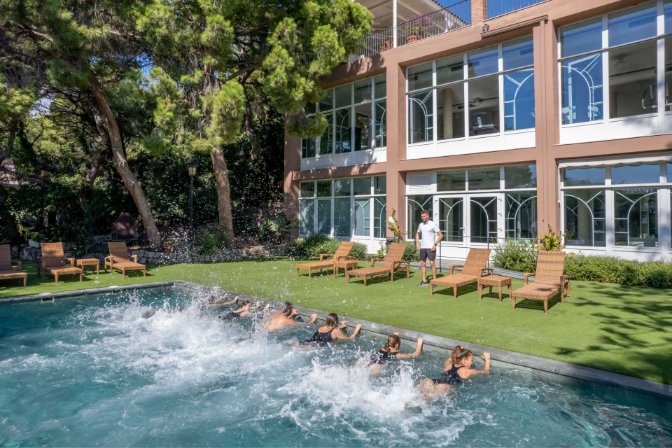
Active rest covers any movement light enough to aid recovery rather than tax it. The usual examples include a relaxed walk, ideally somewhere green and unhurried; gentle swimming or moving through water, which supports the body while it works; yoga, mobility work or slow stretching; easy cycling at a conversational pace; foam rolling and soft-tissue work; and gentler practices such as tai chi or light Pilates.
The common thread is intensity, not the activity itself. A brisk hill session disguised as a walk is not active recovery. A genuinely easy stroll, where you could hold a conversation the whole way, is.
Why active recovery works
The benefits of active recovery are not wishful thinking. They rest on some fairly well-understood physiology, and the mechanism is mostly about circulation.
When you move gently, your heart keeps blood flowing at a higher rate than it would at complete rest. That circulation does two useful things. It delivers oxygen and nutrients to tired, micro-damaged muscle tissue, which is what the repair process actually runs on. And it helps clear the metabolic by-products that accumulate during hard effort, the waste behind that heavy, stiff, day-after feeling.
Light movement also keeps muscles warm and supple instead of letting them seize, helps maintain your range of motion, and looks after the joints and connective tissue without the impact of a full session. In practice that means less stiffness, less lingering soreness, and a quicker, more comfortable return to feeling like yourself. It is also the moment when much of the deeper work happens, the steady cellular repair that turns effort into genuine adaptation rather than accumulated damage.
The part most people miss: your nervous system
This is where the usual fitness conversation tends to stop. Recovery is not only a muscular event. It is a nervous-system event too.
Hard training, like any significant stressor, tips you towards a state of alertness governed by the sympathetic nervous system, the familiar fight-or-flight setting. Real recovery depends on the opposite: the parasympathetic state, often described as rest and digest. This is the mode in which the body lowers stress hormones, calms inflammation, and quietly gets on with repair.
Gentle movement, especially outdoors or in water, helps nudge you towards that calmer state. So do breathing-led practice, warmth and unhurried surroundings. It is why active recovery so often leaves people feeling mentally clearer, not just physically looser. You are not only flushing tired muscles. You are giving an overstimulated nervous system permission to stand down. The connection between mind, nerves and immune function runs deeper than most of us realise, a field known as psychoneuroimmunology, and it is part of why how you rest matters as much as how hard you train.
Recovery is bigger than the gym
Almost everything written about active recovery assumes you are an athlete recovering from a workout. The same principle, though, applies to a far more common kind of fatigue: the wear of ordinary modern life.
A demanding job, broken sleep, low-grade stress that never quite lifts, and a mind that will not switch off all leave the body in much the same state as a hard training block. Locked in that elevated, alert mode, struggling to find the calm in which it repairs. And the instinct is identical. We collapse, we do nothing, we wait to feel better, and often we do not, because total stillness without genuine calm is not the same as recovery. Taken far enough, that unrelieved state has a name, and recovering from burnout asks for the same gentle, deliberate approach as recovering from any other kind of overload.
This is really the heart of it, and where our view tends to differ from the standard advice. Resting doesn’t mean doing nothing. It means doing the things that actively help the body restore itself. Gentle movement, deliberate calm, time in nature, proper sleep, and surroundings that finally let the nervous system settle. Whether you are recovering from a marathon or from a brutal few months, the biology is remarkably similar, and so is the answer.
Where the sea comes in
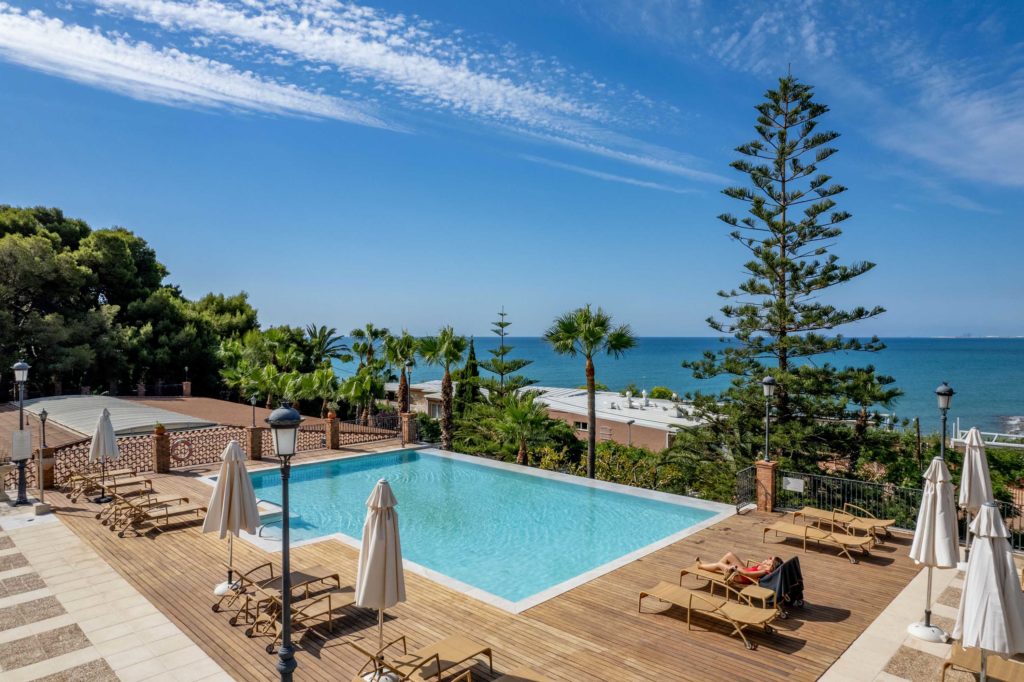
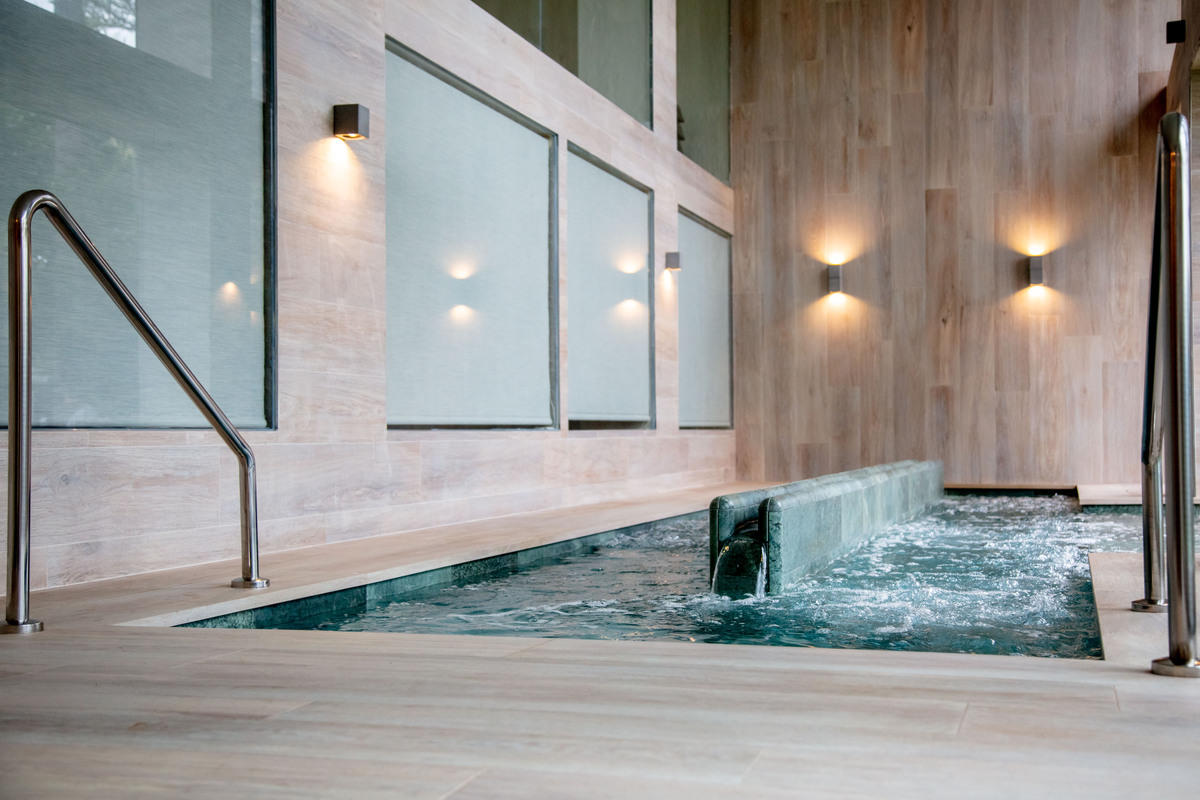
Our oldest and most natural recovery tool sits just beyond the door: the Mediterranean. Thalassotherapy, the therapeutic use of warm seawater and marine elements, turns out to be a near-perfect setting for active recovery, and not by chance.
Moving gently through warm seawater gives you the light activity that supports circulation, but with the water taking much of the load off tired joints and muscles. The warmth itself encourages that all-important shift into the parasympathetic, rest-and-digest state, helping stress hormones fall and inflammation ease. Mediterranean seawater is also rich in magnesium, potassium and other minerals, in concentrations close to those of the body’s own fluids, which the skin absorbs during immersion.
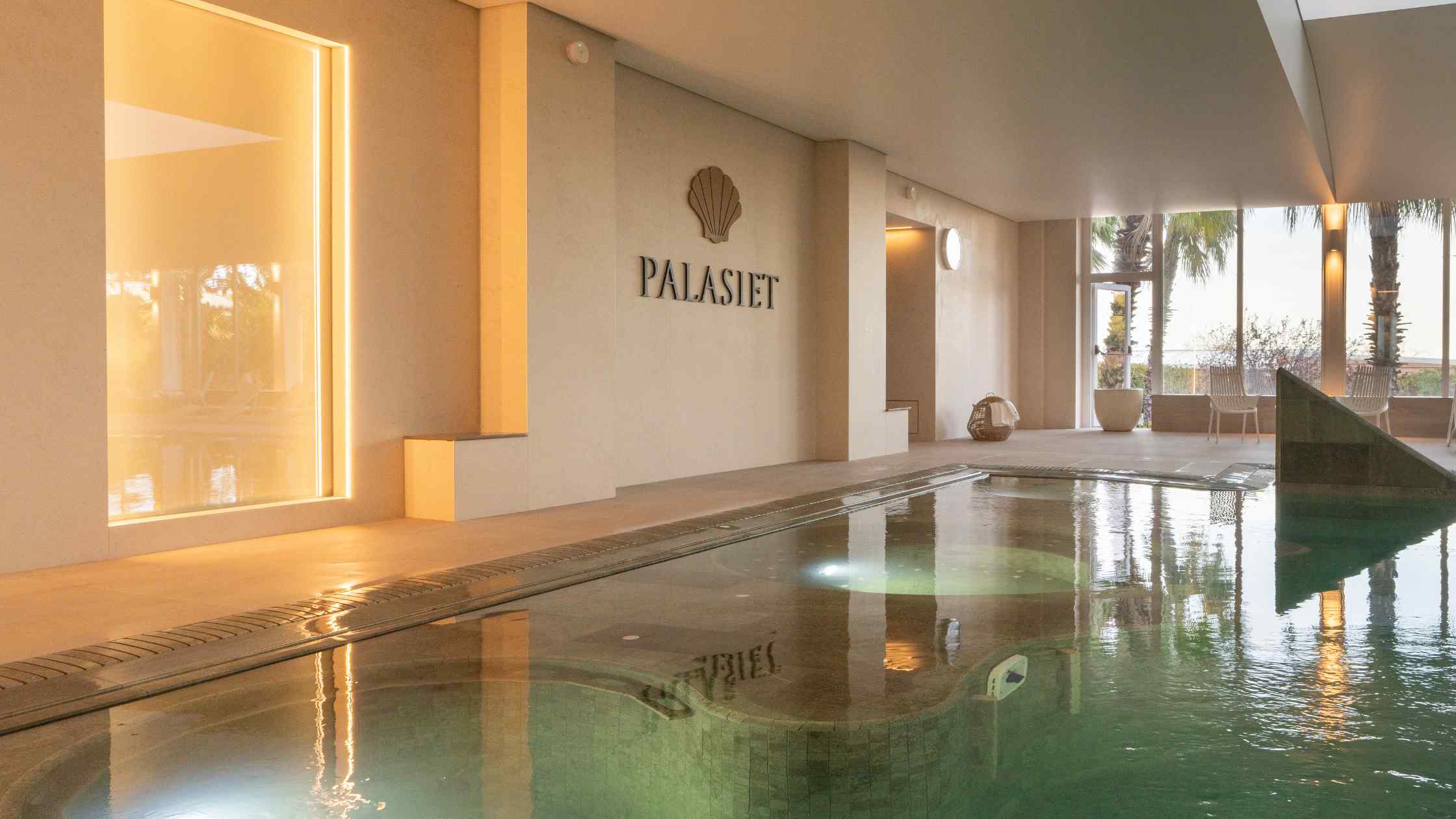
Add the calm of the coast, the sea air and a slower pace, and you have something a foam roller alone cannot offer: a whole environment arranged around the conditions in which the body genuinely repairs. Our thalassotherapy programmes and our anti-stress and relaxation programme are both built around precisely this balance of gentle movement and deep, deliberate rest.
How to do active recovery well
Active recovery is forgiving, but a few simple principles separate a session that helps from one that quietly becomes another workout.
Keep the intensity genuinely low. If your effort drifts above roughly 60 per cent of your maximum heart rate, you have stopped recovering and started training. The honest test is the conversation test. If you could not comfortably chat the whole way through, you are pushing too hard. You should finish refreshed, never drained.
Change the movement pattern. Recovery works best when it differs from whatever fatigued you. If you ran, walk or swim instead of jogging the same route again. If you lifted heavy, try gentle mobility work or easy cycling. Giving the worked muscles a different, lighter stimulus helps far more than repeating the same pattern at lower volume.
Keep it short. Twenty to forty minutes is plenty. Active recovery is a light touch, not an endurance feat. More is not better here, and a long session simply reintroduces the fatigue you are trying to clear.
Listen to the signal, not the schedule. Some days your body wants gentle movement. Other days it wants stillness. Both are legitimate. The point of active recovery is responsiveness, not another rule to follow rigidly. The body usually tells you which it needs, if you are willing to listen.
When to choose complete rest instead
Active recovery is not a universal answer, and it matters to be clear about its limits. There are times when doing nothing really is the wiser, braver choice.
Choose genuine, passive rest when you are injured or in real pain, when you are unwell or fighting something off, when weeks of exhaustion have piled up, or when sleep has been poor for a stretch and your whole system feels frayed. In those states, forcing in movement, even gentle movement, simply hands another demand to a body that is clearly asking for less. Pushed too far, chronic strain also wears down your defences, which is why protecting recovery is part of keeping a resilient immune system over the long run.
The signs that you need rest rather than activity are worth knowing: a resting heart rate that is unusually high, persistent fatigue that sleep does not touch, irritability, broken sleep, and a sense that ordinary efforts feel far harder than they should. These are classic markers of overtraining or burnout, and the response is not a clever recovery session. It is permission to stop. If pain or symptoms are significant or stubborn, that is a conversation for a doctor or physiotherapist, not a walk.
Resting, reimagined
The most useful thing active recovery offers is not really about exercise at all. It is letting go of the idea that recovery is empty time, a void to be endured until you are allowed to be productive again.
Recovery is not the absence of activity. It is a particular kind of activity. Gentle, intentional, and aimed squarely at helping the body do what it already knows how to do. Sometimes that means an easy walk or a slow swim. Sometimes it means a few days somewhere calm, by the sea, where movement and stillness and rest are woven together on purpose. Either way the principle holds. Doing less is not the same as doing nothing, and a body cared for actively recovers far better than one simply left to wait.
If you would like to experience recovery as something restorative rather than passive, you can explore our wellness programmes or get in touch with our team. We would be glad to help you build a stay around exactly the kind of rest your body is asking for.
Frequently asked questions about active recovery
What is active recovery, in simple terms?
Active recovery is gentle, low-intensity movement done to help your body recover after effort, rather than resting completely. Think of an easy walk, a slow swim or some light stretching the day after a hard session. The idea is to keep blood flowing and muscles supple without adding to your fatigue, so you recover faster and feel looser than you would by doing nothing.
What is the difference between active recovery and active rest?
In practice the two terms describe the same thing and are used interchangeably. Both mean light movement that supports recovery, as opposed to passive recovery, which is complete rest with no activity. If there is any nuance, active rest tends to describe a whole day built around gentle movement, while active recovery can also mean a brief easy effort straight after a workout. You can safely treat them as the same idea.
How long should active recovery last?
For most people, twenty to forty minutes is ideal. Active recovery is meant to be a light touch, so there is little benefit in stretching it out. A short, easy session that leaves you refreshed does far more good than a long one that quietly becomes another workout.
How do I know if I need active recovery or complete rest?
Be honest about how depleted you feel. If you are simply stiff, mildly sore or a little sluggish, gentle movement will usually help. If you are injured, unwell, in real pain, or worn down after a long stretch of strain or poor sleep, complete rest is the wiser choice. An unusually high resting heart rate, persistent tiredness and disrupted sleep are signs your body wants stillness, not more activity.
Does active recovery only apply to athletes?
Not at all. The same principle applies to recovering from the strain of everyday life. Demanding work, stress and broken sleep all leave the body in a similar over-alert state to hard training. Gentle movement, calm surroundings and proper rest help the body restore itself whether the fatigue came from a marathon or a difficult few months.
How does thalassotherapy support active recovery?
Warm seawater is a natural fit for active recovery. Moving gently through water gives you light, supportive activity that aids circulation while taking strain off the joints, and the warmth helps shift the nervous system into its rest-and-repair state. The minerals in seawater, absorbed during immersion, support muscle and cellular function, while the calm coastal setting removes the stress that most disrupts recovery in daily life.